Kilimanjaro National Park, home to Africa’s highest peak, Mount Kilimanjaro, is one of the most iconic UNESCO World Heritage Sites and a top-rated adventure destination in Tanzania. Known for its snow-capped summit, diverse ecological zones, and world-famous trekking routes, the park attracts climbers, hikers, wildlife lovers, and eco-tourists from all over the world. Located in northern Tanzania near Arusha and Moshi, Kilimanjaro National Park offers unforgettable experiences, including mountain climbing, scenic photography, cultural encounters, and nature exploration. With rich biodiversity, dramatic landscapes, and globally recognized trekking routes such as Machame, Marangu, Lemosho, Rongai, and Umbwe, it remains a bucket-list destination for global travelers seeking premium African safari and mountain climbing adventures.
Location and Geographic Significance
Kilimanjaro National Park is located in northern Tanzania near the border of Kenya, forming part of the East African Rift landscape. It surrounds Mount Kilimanjaro, the tallest free-standing mountain in the world at 5,895 meters above sea level. The park lies close to Moshi town and is easily accessible from Kilimanjaro International Airport, making it a key hub for Tanzania safari tours and mountain expeditions. Its strategic location offers stunning views across Amboseli National Park in Kenya and the vast plains of northern Tanzania. This geographical positioning makes it a top destination for trekking holidays, wildlife safaris, and adventure tourism in East Africa. The park’s accessibility and natural beauty contribute to its global popularity among climbers and eco-travelers.
History and UNESCO World Heritage Status
Kilimanjaro National Park was officially established in 1973 and later declared a UNESCO World Heritage Site in 1987 due to its outstanding natural value. The park was created to protect Mount Kilimanjaro’s unique ecosystems, glaciers, and biodiversity. Historically, the mountain has been sacred to local Chagga communities, who view it as a spiritual symbol. Over the years, conservation efforts have been strengthened to preserve its glaciers and forests from environmental degradation. Today, Kilimanjaro National Park is globally recognized as a leading destination for eco-tourism, mountain climbing tours, and sustainable travel in Africa. Its UNESCO status enhances its credibility and attracts millions of international visitors seeking adventure and natural heritage experiences.
Mount Kilimanjaro – The Roof of Africa
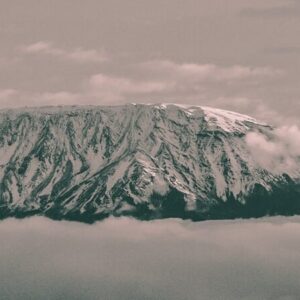
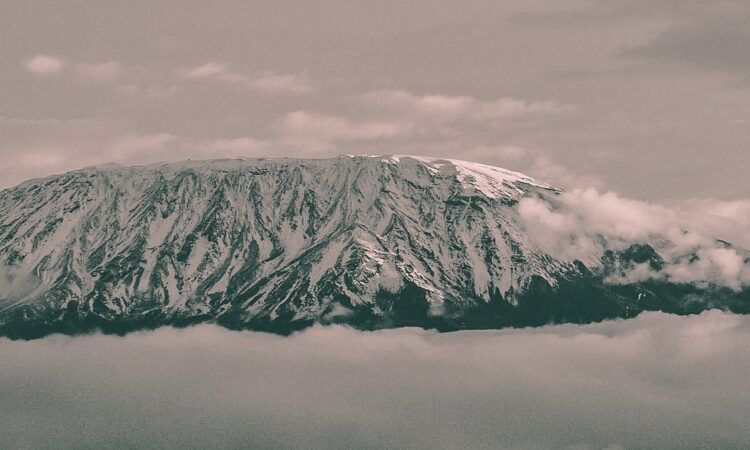
Mount Kilimanjaro, often called the “Roof of Africa,” is the centerpiece of Kilimanjaro National Park. It is a dormant volcanic mountain composed of three cones: Kibo, Mawenzi, and Shira. The snow-capped summit of Uhuru Peak is the highest point in Africa, attracting thousands of climbers each year. The mountain offers diverse trekking routes suitable for beginners and experienced climbers. Its unique geological structure and altitude make it one of the world’s most famous trekking destinations. Climbers experience multiple climate zones, from tropical rainforest to alpine desert and arctic summit conditions. Kilimanjaro’s majestic presence makes it a symbol of African adventure tourism and one of the most searched climbing destinations globally.
Flora and Vegetation Zones
Kilimanjaro National Park features five distinct ecological zones that change dramatically with altitude. These include the cultivated farmland zone, montane forest, heath and moorland, alpine desert, and arctic summit zone. The lower slopes are rich with coffee plantations and lush greenery, while the rainforest zone hosts giant fig trees, colobus monkeys, and diverse bird species. As altitude increases, vegetation becomes sparse, leading to unique alpine plants adapted to extreme conditions. This biodiversity makes Kilimanjaro a hotspot for eco-tourism, botanical studies, and nature photography. The dramatic transition between ecosystems is one of the key highlights for trekkers exploring Kilimanjaro trekking routes such as Machame and Lemosho.
Wildlife in Kilimanjaro National Park
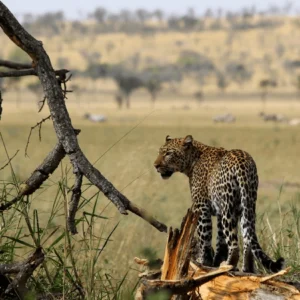
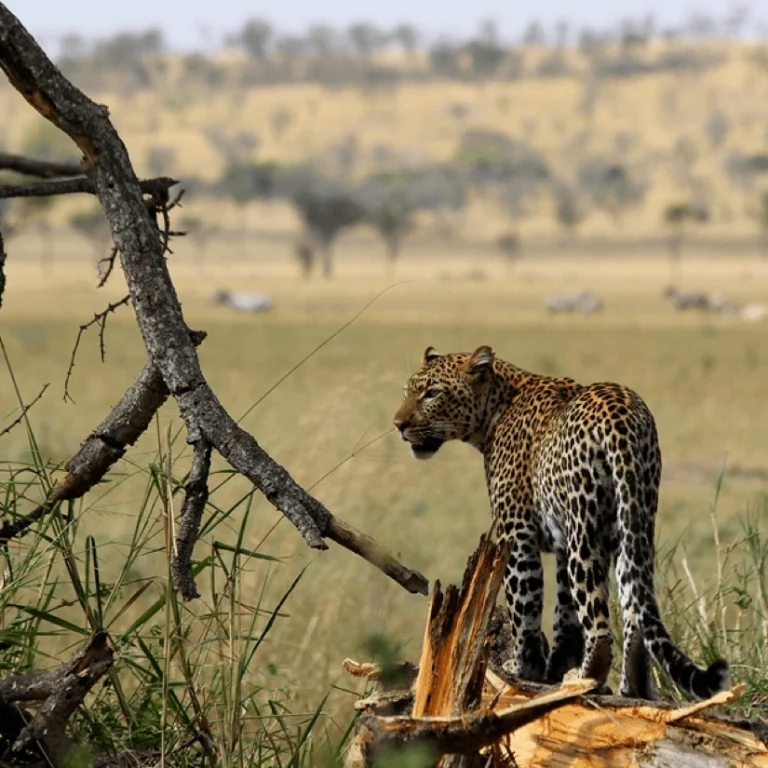
Although Kilimanjaro is primarily a trekking destination, it is also home to diverse wildlife species. The lower forest zones support elephants, buffalo, leopards, bushbucks, and various primates such as blue monkeys and colobus monkeys. Birdwatchers can enjoy over 150 recorded species, making it ideal for birding safaris in Tanzania. Unlike traditional safari parks, wildlife sightings on Kilimanjaro are less frequent but still enriching, especially in the forested areas. The park’s conservation efforts ensure the protection of endangered species and habitats. This combination of mountain trekking and wildlife observation makes Kilimanjaro National Park a unique hybrid destination for adventure and nature tourism in East Africa.
Best Time to Visit Kilimanjaro National Park
The best time to visit Kilimanjaro National Park is during the dry seasons, from January to March and June to October. These months offer clear skies, stable weather conditions, and higher summit success rates. The rainy seasons, from April to May and November, bring heavy rainfall and slippery trails, making climbing more challenging. However, the park remains open year-round for trekking and cultural tours. Weather conditions vary by altitude, so climbers must prepare for cold temperatures at higher elevations. Choosing the right season is essential for a safe and enjoyable Kilimanjaro climbing experience. Many travelers combine their visit with Tanzania safari tours in Serengeti, Ngorongoro, or Tarangire.
Kilimanjaro Climbing Routes
Kilimanjaro National Park offers several trekking routes, each with different difficulty levels and scenic experiences. The most popular routes include the Machame Route, Marangu Route, Lemosho Route, Rongai Route, and Umbwe Route. Machame is known as the “Whiskey Route” for its challenge and beauty, while Marangu is called the “Coca-Cola Route” for its hut accommodations. Lemosho offers the best acclimatization and scenic views, making it ideal for success rates. Rongai approaches from the northern side, and Umbwe is the steepest and most difficult route. Each route provides a unique Kilimanjaro trekking experience, attracting climbers from around the world seeking adventure tourism in Tanzania.
Hiking Experience and Trekking Challenges
Climbing Kilimanjaro is a physically demanding yet rewarding experience. Trekkers face altitude changes, cold temperatures, and long hiking days. The journey typically takes 5 to 9 days, depending on the route. Altitude sickness is one of the main challenges, requiring proper acclimatization and hydration. Despite the difficulty, thousands of climbers successfully reach Uhuru Peak every year. The hiking experience includes breathtaking sunrise views, glacier landscapes, and diverse ecosystems. Professional guides and porters play a crucial role in ensuring safety and success. Kilimanjaro trekking tours are considered a bucket-list adventure for global travelers seeking high-altitude mountain climbing in Africa.
Safety, Guides, and Regulations
Safety is a top priority in Kilimanjaro National Park. All climbers are required to be accompanied by licensed guides and support staff. The Tanzania National Parks Authority (TANAPA) regulates climbing activities to ensure environmental protection and visitor safety. Medical checks, proper gear, and acclimatization schedules are essential for a successful summit. Emergency rescue services are available, but prevention is key. Guides are trained in mountain safety, altitude sickness management, and first aid. Following park regulations ensures both safety and conservation. This structured system makes Kilimanjaro one of the safest high-altitude trekking destinations in the world.
Accommodation Options
Accommodation in Kilimanjaro National Park varies depending on the route. The Marangu Route offers mountain huts, while other routes use tented camps. Before and after climbing, travelers can stay in hotels and lodges in Moshi or Arusha. Options range from budget guesthouses to luxury safari lodges. Popular choices include eco-lodges, boutique hotels, and safari-style accommodations. These facilities provide comfort, meals, and preparation support for climbers. Many travelers combine Kilimanjaro climbing with Tanzania safari packages, staying in luxury lodges in Serengeti or Ngorongoro. Accommodation plays a key role in enhancing the overall Kilimanjaro adventure experience.
Cultural Experiences and Local Communities
The communities surrounding Kilimanjaro National Park, especially the Chagga people, offer rich cultural experiences. Visitors can explore traditional villages, coffee plantations, and local markets. Cultural tours include storytelling, traditional dances, and coffee-making experiences. These interactions provide insight into Tanzanian heritage and mountain farming lifestyles. The Maasai communities nearby also offer cultural encounters related to pastoral traditions. Cultural tourism enhances the Kilimanjaro experience by combining nature with human heritage. Supporting local communities contributes to sustainable tourism development and conservation efforts in northern Tanzania.
How to Get to Kilimanjaro National Park
Kilimanjaro National Park is easily accessible via Kilimanjaro International Airport (JRO), located between Arusha and Moshi. International travelers often fly into Dar es Salaam or Nairobi before connecting to JRO. From the airport, it takes about 1 hour to reach Moshi town, the main gateway to the mountain. Road transfers from Arusha take approximately 2 hours. The park is well-connected for tourists planning Tanzania safari and Kilimanjaro climbing packages. Reliable transport services and tour operators ensure smooth travel logistics for visitors.
Photography and Scenic Views
Kilimanjaro National Park is a paradise for photographers and nature lovers. The mountain offers dramatic landscapes, from lush forests to snowy peaks. Sunrise and sunset views from the summit are among the most photographed scenes in Africa. Wildlife photography is also possible in the lower forest zones. The contrast between tropical vegetation and icy glaciers creates unique visual compositions. Drone photography is restricted in certain areas to protect the environment. Professional and amateur photographers alike consider Kilimanjaro one of the top photography destinations in East Africa.
Conservation and Environmental Protection
Kilimanjaro National Park plays a critical role in environmental conservation and climate change awareness. The park protects endangered ecosystems and monitors glacier retreat due to global warming. Reforestation programs and anti-poaching efforts are actively implemented. Sustainable tourism practices are encouraged to reduce environmental impact. Tour operators promote eco-friendly climbing practices, including waste management and low-impact trekking. Conservation efforts ensure that future generations can continue to experience the beauty of Mount Kilimanjaro. This makes the park a model for sustainable tourism in Africa.
Kilimanjaro Safari Combinations
Many travelers combine Kilimanjaro climbing with Tanzania wildlife safaris. Popular destinations include Serengeti National Park, Ngorongoro Crater, Tarangire National Park, and Lake Manyara. This combination offers a complete African adventure experience, blending mountain trekking with big five safari tours. Tour packages often include fly-in safaris, luxury lodges, and cultural experiences. This makes Tanzania one of the most diverse travel destinations in Africa. Combining safari and Kilimanjaro climbing is highly recommended for first-time visitors seeking a full East African adventure.
Travel Tips for Kilimanjaro Climbers
Proper preparation is essential for a successful Kilimanjaro climb. Travelers should train physically, pack appropriate gear, and choose the right route. Layered clothing, hiking boots, and altitude medication are important. Staying hydrated and following the guide instructions increases summit success rates. Booking with reputable tour operators ensures safety and quality service. Travel insurance covering high-altitude trekking is highly recommended. Understanding weather conditions and acclimatization strategies improves the overall experience. Kilimanjaro is not just a climb—it is a life-changing adventure.
Final Thought
Kilimanjaro National Park remains one of the world’s most iconic adventure destinations, combining breathtaking landscapes, rich biodiversity, cultural heritage, and the challenge of Africa’s highest peak. Whether you are a climber, photographer, or safari traveler, Mount Kilimanjaro offers an unforgettable experience that blends nature, adventure, and exploration. Its global reputation as a UNESCO World Heritage Site and top trekking destination continues to attract travelers seeking meaningful and transformative journeys in Tanzania.