
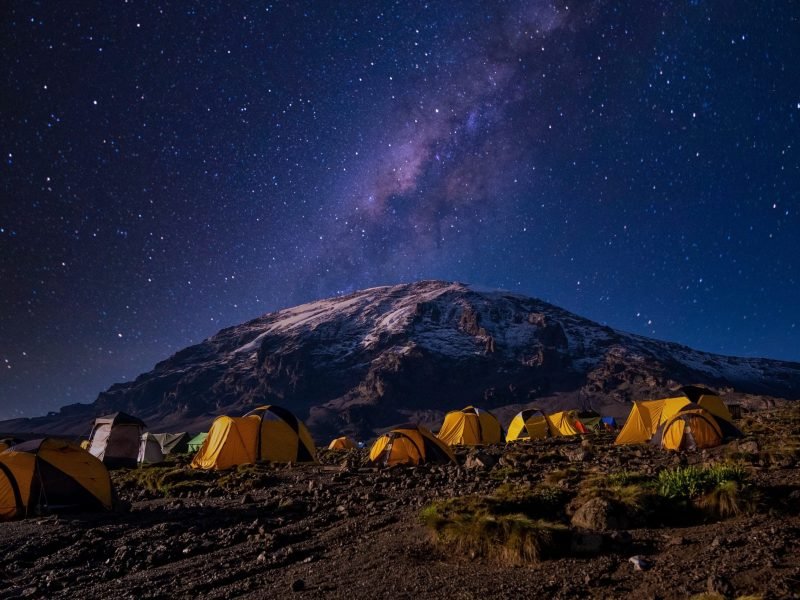
The 6-Day Umbwe route on Kilimanjaro – a detailed day-by-day description Experience the ultimate 6-Day Umbwe …
7-Day Rongai Route – A Remote and Scenic Trek to Kilimanjaro’s Summit
Embark on a mesmerizing 7-Day Rongai Route is one of the most scenic and less crowded Mount Kilimanjaro climbing experiences in Kilimanjaro National Park, Tanzania. Starting from the northern side near the Kenya border at Nalemoru Gate, this Kilimanjaro trekking route offers a gradual ascent, excellent acclimatization, and high summit success rates to Uhuru Peak. The Rongai Route is ideal for climbers seeking a quieter Tanzania safari adventure combined with wilderness camping and unique landscapes. Over seven days, hikers pass through rainforest, alpine moorland, and high desert zones while enjoying stunning views of Mawenzi Peak and the vast Kenyan plains.
Key highlights of the 7-Day Rongai Route include Simba Camp, Kikelewa Cave, Mawenzi Tarn, and Kibo Hut before the final midnight summit push to Africa’s highest point. This Northern Circuit-style route is known for its dry conditions, making it one of the best Kilimanjaro routes for beginners and experienced trekkers. The descent follows the Marangu Route, completing an unforgettable Mount Kilimanjaro expedition experience perfect for guided tours, luxury trekking packages, and budget Kilimanjaro climbs in Tanzania, offering unforgettable adventure travel, the best time to climb, and expert local tour operators.
Rongai Route 7-Day Hiking to Mt. Kilimanjaro Itinerary
The 7-Day Rongai Route Itinerary is one of the most sought-after Kilimanjaro climbing experiences in Tanzania, offering a quieter and more scenic approach to Africa’s highest peak, Uhuru Peak (5,895m). Starting from the northern side of Mount Kilimanjaro within Kilimanjaro National Park, this route is ideal for climbers seeking a less crowded, more remote trekking adventure. Known for its gradual ascent profile, the Rongai Route provides excellent altitude acclimatization, making it one of the highest summit-success Kilimanjaro trekking routes. The journey passes through diverse ecosystems, including rainforest, moorland, alpine desert, and volcanic landscapes. Trekkers enjoy breathtaking views of Mawenzi Peak and experience true wilderness camping. This 7-day Kilimanjaro itinerary is perfect for beginners and experienced hikers looking for a safe, scenic, and rewarding Tanzania trekking adventure.
Day 0: Arrive in Tanzania
The 7-Day Rongai Route Kilimanjaro climb begins with your arrival in Tanzania, usually at Kilimanjaro International Airport (JRO). Upon landing, you are warmly welcomed and transferred to Moshi or Arusha, the main hubs for Mount Kilimanjaro trekking and Tanzania safari tours. This day is essential for rest, recovery from travel, and final preparation for your Kilimanjaro climbing adventure. You meet your professional mountain guide for a detailed briefing about the Rongai Route itinerary, safety procedures, altitude sickness prevention, and required gear. Equipment checks ensure everything is ready for the climb, including boots, jackets, and sleeping gear. You may also relax at your lodge, explore the local surroundings, or enjoy pre-climb excitement. This preparation day sets the foundation for a successful and safe ascent to Uhuru Peak via the Rongai Route.
Day 1: Nalemoru Gate (1990m) to Simba Camp (2570m)
The Kilimanjaro trekking adventure begins at Nalemoru Gate (1,990m), located on the remote northern side of Mount Kilimanjaro. After registration, permit verification, and meeting your porters, the climb officially starts through lush montane rainforest. This section of the Rongai Route is known for its peaceful atmosphere and low traffic compared to other Kilimanjaro routes. The trail is rich in biodiversity, featuring towering trees, birds, and occasional sightings of colobus monkeys. The steady ascent makes it an excellent introduction to high-altitude hiking in Tanzania. As you climb toward Simba Camp (2,570m), the air becomes cooler, and the forest gradually thins. Upon arrival at camp, tents are set up, warm meals are served, and trekkers rest while enjoying their first night on Mount Kilimanjaro in a true wilderness setting.
Day 2: Simba Camp (2570m) to 2nd Cave Camp (3450m)
Day 2 of the Rongai Route Kilimanjaro itinerary leads climbers from Simba Camp into the scenic moorland zone. The landscape changes dramatically as dense forest gives way to open heathland with giant heathers and volcanic rock formations. This gradual ascent to 2nd Cave Camp (3,450m) is carefully designed for proper altitude acclimatization, a key factor in successful Kilimanjaro climbing. Along the way, trekkers enjoy stunning views of Mawenzi Peak, one of Kilimanjaro’s dramatic volcanic cones. The trail remains quiet, remote, and free from crowds, enhancing the wilderness experience. As you approach camp, panoramic views of the Kenyan plains appear in the distance. At 2nd Cave Camp, climbers rest, hydrate, and recover while their bodies adjust to higher altitude conditions essential for reaching Uhuru Peak on this 7-day Tanzania trekking adventure.
Day 3: 2nd Cave Camp (3480m) to Kikelelwa Camp (3630m)
On Day 3, the Kilimanjaro trekking journey continues with a shorter but important acclimatization hike from 2nd Cave Camp (3,480m) to Kikelelwa Camp (3,630m). The trail passes through the alpine heath zone, where vegetation becomes sparse and the terrain more rugged. Giant groundsels and lobelias dominate the landscape, creating a unique high-altitude ecosystem found only on Mount Kilimanjaro. Mawenzi Peak remains a constant dramatic backdrop, offering some of the most scenic views on the entire Rongai Route. The trail is quiet and untouched, providing a peaceful trekking experience away from busy tourist paths. Upon reaching Kikelelwa Camp, nestled in a sheltered valley, climbers rest and prepare for further altitude gain. This stage is crucial for acclimatization, increasing the chances of a successful summit to Uhuru Peak.
Day 4: Kikelelwa Camp (3630m) to Mawenzi Tarn Hut (4330m)
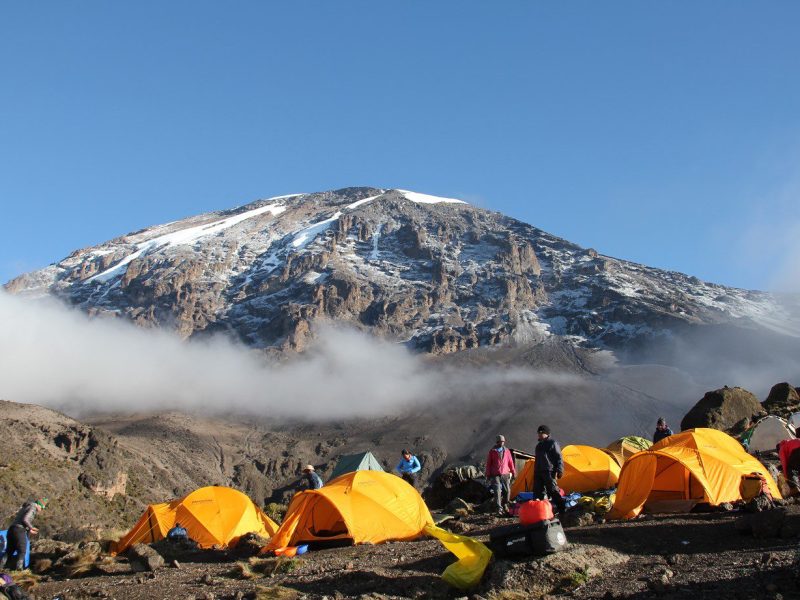
Day 4 of the Rongai Route itinerary is a significant ascent from Kikelelwa Camp (3,630m) to Mawenzi Tarn Hut (4,330m). The trail climbs steadily into the alpine desert zone, where the landscape becomes dry, rocky, and dramatic. Vegetation fades as trekkers enter one of the most remote and scenic regions of Mount Kilimanjaro. The towering peaks of Mawenzi create a breathtaking backdrop throughout the hike. This area is known for its silence and isolation, offering a true wilderness trekking experience in Tanzania. Mawenzi Tarn Hut is beautifully located beneath jagged volcanic spires, creating one of the most picturesque campsites on Kilimanjaro. This day is essential for acclimatization, preparing climbers for the demanding ascent to Kibo Hut and the final push to Uhuru Peak on summit night.
Day 5: Mawenzi Tarn Hut (4330m) to Kibo Hut (4700m)
Day 5 of the Kilimanjaro climbing journey takes trekkers from Mawenzi Tarn Hut (4,330m) across the vast alpine desert known as the “Saddle,” a high-altitude plateau between Mawenzi and Kibo peaks. The landscape is stark, barren, and almost lunar, emphasizing the challenge of high-altitude trekking in Tanzania. The gradual hike to Kibo Hut (4,700m) becomes increasingly demanding due to thinner oxygen levels and altitude fatigue. Climbers must walk slowly, conserve energy, and stay hydrated. Upon arrival at Kibo Hut, located at the base of the summit route, trekkers rest and prepare for the final ascent to Uhuru Peak. Equipment is checked, warm clothing is prepared, and mental focus becomes essential. This stage marks the final preparation before the midnight summit attempt on the Rongai Route Kilimanjaro itinerary.
Day 6: Kibo Huts – Gilman’s Point – Uhuru Peak – Horombo Huts
Summit day begins at midnight from Kibo Hut (4,700m), marking the most challenging part of the Kilimanjaro trekking adventure. Climbers ascend steep volcanic scree slopes in darkness toward Gilman’s Point (5,681m) on the crater rim. The climb is physically and mentally demanding due to extreme altitude and low oxygen levels. After a short rest, trekkers continue along the crater rim to Uhuru Peak (5,895m), the highest point in Africa. Reaching the summit at sunrise offers unforgettable views of glaciers, volcanic landscapes, and the vast Tanzanian horizon. After celebration and photography, climbers begin a long descent to Horombo Huts (3,720m). This descent is exhausting but rewarding, marking the completion of the most iconic stage of the 7-day Rongai Route Kilimanjaro climb.
Day 7: Horombo Hut (3720m) to Marangu Gate (1860m)
The final day of the Rongai Route Kilimanjaro itinerary involves a long descent from Horombo Hut (3,720m) to Marangu Gate (1,860m). The trail passes through moorland and lush rainforest zones, offering a refreshing return to greener landscapes after the harsh alpine environment. As oxygen levels increase, climbers feel relief and renewed energy. This final descent provides time to reflect on the incredible achievement of reaching Uhuru Peak. At Marangu Gate, successful climbers receive official summit certificates, marking the completion of their Mount Kilimanjaro trekking adventure. The journey concludes with transfers back to Moshi or Arusha, where trekkers rest, celebrate, and share unforgettable memories of their 7-day Rongai Route Kilimanjaro climbing experience in Tanzania.
Day 8: Departure
The final day of the Kilimanjaro Rongai Route itinerary is dedicated to departure from Tanzania after an unforgettable Mount Kilimanjaro climbing adventure. Travelers transfer from Moshi or Arusha to the airport for their international flights, carrying memories of reaching Uhuru Peak and experiencing one of the world’s most iconic trekking routes. This day marks the conclusion of a successful Tanzania safari and Kilimanjaro hiking expedition, often combined with reflections on personal achievement and cultural experiences in East Africa. Depending on travel plans, some visitors may extend their stay for wildlife safaris in Serengeti or Ngorongoro. The journey home is filled with pride, accomplishment, and lasting memories of Africa’s highest mountain. Professional tour operators ensure smooth logistics and airport transfers, providing a comfortable end to an extraordinary adventure as the Kilimanjaro journey ends.
What to pack for the 7-Day Rongai Route
Packing for the 7-Day Rongai Route Kilimanjaro climb requires careful attention to layered clothing, cold-weather protection, and high-altitude trekking gear. The mountain experiences extreme temperature variations, from hot forest zones to freezing summit nights, so thermal layers, waterproof jackets, insulated gear, and breathable hiking clothing are essential. A high-quality sleeping bag rated for sub-zero temperatures, trekking boots with strong ankle support, gloves, hats, and warm socks are critical for summit success. You should also carry a daypack, hydration system, headlamp, sunscreen, and sunglasses for UV protection at high altitude. Altitude sickness medication like Diamox (if prescribed), personal hygiene items, energy snacks, and reusable water bottles are also highly recommended. Trekking poles help reduce strain on steep sections, especially during descent. Proper packing improves comfort, safety, and summit success rate on Kilimanjaro Rongai Route expeditions.
Inclusive & Exclusive
Inclusions 7-Day Rongai Route
- 6 nights’ mountain accommodation
- All transportation – airport pick up and drop off included
- All park entrances fees
- Professional English speaking Mountain guide & chef
- Meals according to the itinerary
- Mineral water on all days
- All mentioned activities
- All government taxes Price.
- 18% VAT,
- Government increase entry fees
- Rescue fees
- Pre and post-program accommodation for 2 nights
- Camping equipment ( tent, sleeping bags, mattress, hiking poles, gaters, mess table and chairs)
- Airport Pick up and drop off
- Porterage
Exclusions 7-Day Rongai Route
- International flights (from / to home)
- Personal items (souvenirs, travel insurance, visa fees, etc.)
- Tips (from 20 USD per person per day for mountain guide
- Mount Kilimanjaro Climbing Equipments
- Internal flights
- Tips (from 10 USD per person per day for a porter
- Tips (from 15 USD per person per day for a chef/cook
What to bring 7-Day Rongai Route
- Clothes
- A warm sweater as the nights can be chilly at high altitudes.
- Comfortable shoes
What is the 7-Day Rongai Route on Kilimanjaro?
The 7-Day Rongai Route is one of the most popular and scenic Kilimanjaro trekking routes on Mount Kilimanjaro, offering a unique ascent from the northern side of the mountain near the Kenya border. Known as the “gentle slope route,” it is widely used in Tanzania trekking tours because of its gradual incline, lower crowd levels, and excellent acclimatization profile. The 7-day Rongai Route itinerary is designed to improve summit success rate while allowing hikers to experience diverse ecosystems, from rainforest and moorland to alpine desert and Arctic summit zones. It is a preferred Kilimanjaro hiking route for climbers seeking a quieter, more remote wilderness experience compared to the Marangu or Machame routes, while still aiming for Uhuru Peak at 5,895 meters.
Is the Rongai Route good for beginners?
Yes, the Rongai Route is considered one of the best Kilimanjaro climbing routes for beginners due to its gradual slope, less technical terrain, and predictable trekking conditions. Unlike steeper routes such as Umbwe, the 7-day Rongai Route offers a smoother ascent profile that helps first-time trekkers adjust to altitude more comfortably. It is especially recommended for those who want a safe introduction to high-altitude trekking in Tanzania. Beginners benefit from fewer crowds, stable weather on the northern side, and a well-paced acclimatization schedule that reduces the risk of altitude sickness. However, beginners should still prepare physically with endurance training, as Kilimanjaro trekking remains a high-altitude challenge requiring stamina, determination, and mental strength to reach Uhuru Peak successfully.
How difficult is the 7-Day Rongai Route?
The 7-Day Rongai Route is classified as a moderate-difficulty Kilimanjaro climbing route. It is not technically demanding, meaning no climbing equipment is required, but the challenge comes from altitude gain and long trekking hours. The gradual ascent makes it easier than many other Kilimanjaro routes, yet climbers still face cold temperatures, low oxygen levels, and summit night fatigue. The difficulty level increases significantly between Kibo Hut and Uhuru Peak, where climbers push through steep scree slopes in darkness. Proper acclimatization, hydration, and pacing are key to success. Overall, the Rongai Route is one of the most manageable Kilimanjaro trekking options, especially for those choosing a 7-day itinerary instead of the shorter 6-day version, which increases altitude risk.
What is the success rate of the 7-Day Rongai Route?
The success rate of the 7-Day Rongai Route is relatively high compared to shorter Kilimanjaro trekking itineraries, typically ranging between 85% and 95% depending on fitness level, guide quality, and acclimatization. The additional day compared to the 6-day version significantly improves summit success by allowing better altitude adjustment. Climbers benefit from the “climb high, sleep low” principle, which is naturally integrated into the Rongai Route itinerary. Professional Tanzania tour operators often report higher summit success rates on this route due to its gradual elevation gain and reduced congestion. However, success still depends on individual preparation, proper gear, hydration, and mental endurance during the final ascent to Uhuru Peak, the highest point in Africa.
When is the best time to climb the Rongai Route?
The best time to climb the Rongai Route is during the dry seasons in Tanzania, specifically from January to early March and June to October. These months offer stable weather conditions, clearer skies, and lower rainfall, making Kilimanjaro trekking safer and more enjoyable. The Rongai Route is also unique because it lies on the drier northern side of the mountain, meaning it can be climbed even during shoulder seasons when other routes become muddy or slippery. However, visibility and scenery are best during peak dry months. Climbers planning a Tanzania safari and Kilimanjaro combination trip often choose these periods to enjoy both wildlife viewing and mountain trekking in optimal conditions.
What makes the Rongai Route unique?
The Rongai Route is unique because it is the only Kilimanjaro climbing route that approaches the mountain from the north, near the Kenya border. This gives trekkers a quieter, more remote wilderness experience compared to the busier southern routes like Machame or Marangu. It is known for its dry climate, scenic forest trails, and gentle slopes that enhance acclimatization. Another unique feature is the descent via the Marangu Route, allowing climbers to experience two different sides of Kilimanjaro in one trek. Wildlife sightings such as colobus monkeys and diverse bird species also make it special. The Rongai Route is ideal for trekkers seeking solitude, natural beauty, and a less crowded path to Uhuru Peak.
How many days is ideal for the Rongai Route?
Yes, a licensed guide is mandatory for the 7-Day Rongai Route and all Kilimanjaro trekking routes in Tanzania. Independent climbing is not allowed under Tanzanian national park regulations. Professional guides play a crucial role in ensuring safety, navigation, altitude monitoring, and emergency response. They are trained in mountain rescue, altitude sickness management, and environmental conservation. Most Kilimanjaro tour packages also include porters and cooks who support trekkers throughout the journey. Hiring an experienced guide significantly increases your summit success rate and ensures a smoother, safer trekking experience. Reputable Tanzania safari and trekking companies provide full support teams to help climbers reach Uhuru Peak successfully.
What accommodation is used on the Rongai Route?
The ideal duration for the Rongai Route is 7 to 8 days, with the 7-day itinerary being the most popular among international trekkers. This duration allows better acclimatization and significantly improves summit success rates compared to shorter 6-day climbs. The extra day helps hikers adjust gradually to altitude changes, reducing the risk of altitude sickness. While some experienced climbers attempt faster ascents, most Kilimanjaro trekking experts recommend at least 7 days for a safer and more enjoyable experience. The longer itinerary also allows more time to enjoy the scenic landscapes, from forest zones to alpine deserts, before reaching the summit of Uhuru Peak.
Is the Rongai Route scenic?
Yes, the Rongai Route is highly scenic and offers some of the most peaceful landscapes on Kilimanjaro. The journey begins in lush rainforest and transitions into open moorlands, volcanic ridges, and alpine desert terrain. One of the highlights is the stunning view of Mawenzi Peak, especially during sunrise and sunset. The route is less crowded, allowing uninterrupted views and a more intimate connection with nature. Compared to southern routes, the scenery feels more untouched and remote. While it may not pass through dramatic valleys like Machame, the Rongai Route offers a calm, expansive beauty that many trekkers find deeply rewarding on their way to Uhuru Peak.
Is the Rongai Route the easiest route up Kilimanjaro?
The Rongai Route is often considered one of the easiest Kilimanjaro climbing routes, but it is not “easy” in absolute terms. Its gentle gradient and lower rainfall make it more manageable than steep routes like Umbwe or crowded routes like Marangu. However, the high altitude and summit night remain challenging for all climbers. The 7-day itinerary improves acclimatization, making it more beginner-friendly and safer. Many Kilimanjaro trekking experts recommend Rongai for first-time climbers who want a higher chance of success without extreme difficulty. Still, reaching Uhuru Peak requires physical preparation, mental resilience, and proper acclimatization strategy regardless of the route chosen.
What accommodation is used on the Rongai Route?
Accommodation on the 7-Day Rongai Route consists mainly of mountain camping in designated campsites along the Kilimanjaro trekking trail. Climbers sleep in high-quality four-season tents provided by tour operators, along with sleeping mats and dining tents. The camps include Simba Camp, Second Cave, Kikelewa Cave, Mawenzi Tarn, and Kibo Hut before the summit push. While the route is a camping route, full support crews set up and dismantle tents daily, ensuring comfort and safety. Meals are freshly prepared by mountain chefs, making the experience more comfortable than many expect. This camping-style accommodation enhances the wilderness experience and allows trekkers to fully immerse themselves in the natural beauty of Kilimanjaro.
Request Safari Quote
Kilimanjaro Trips & Hiking Tours
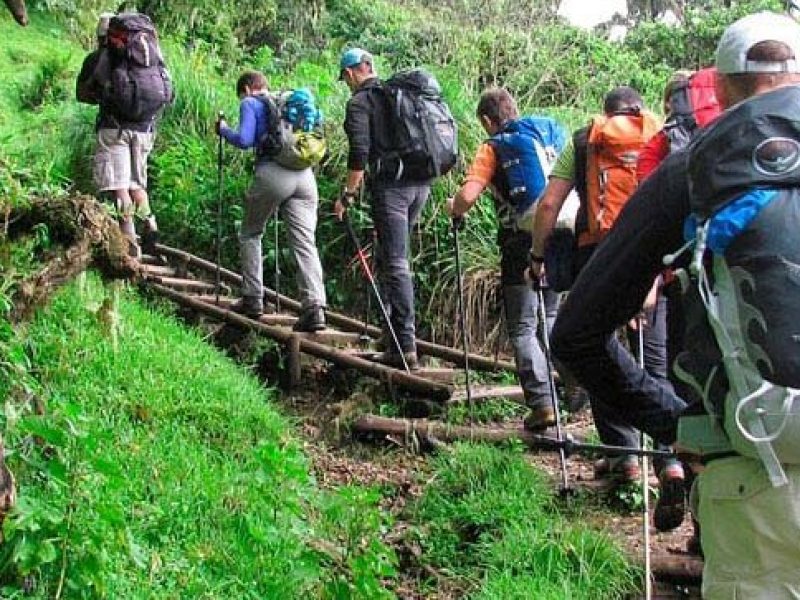
1-Day Kilimanjaro Climb via Machame Route (with Reviews) It involves going up to the first camp, …
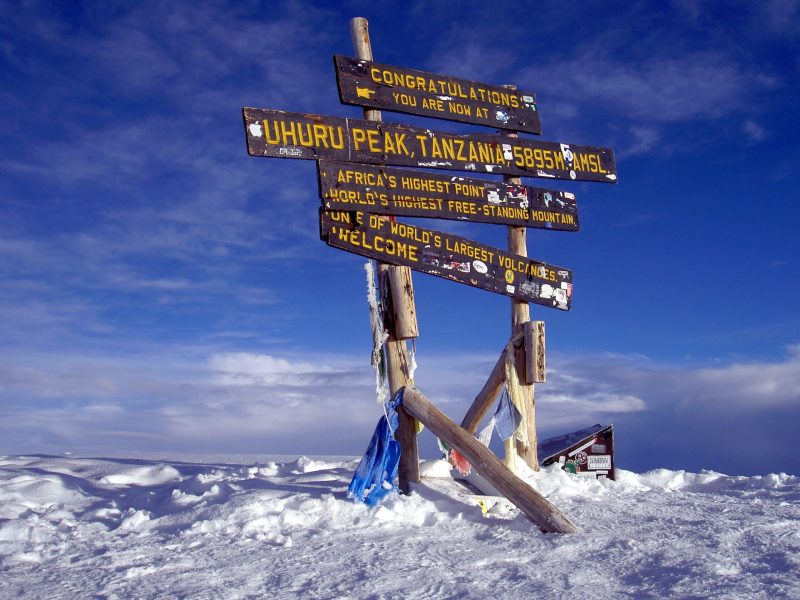
6-Day Machame Route Kilimanjaro – 95% Summit Success Rates Discover the ultimate 6-Day Machame Route Kilimanjaro …
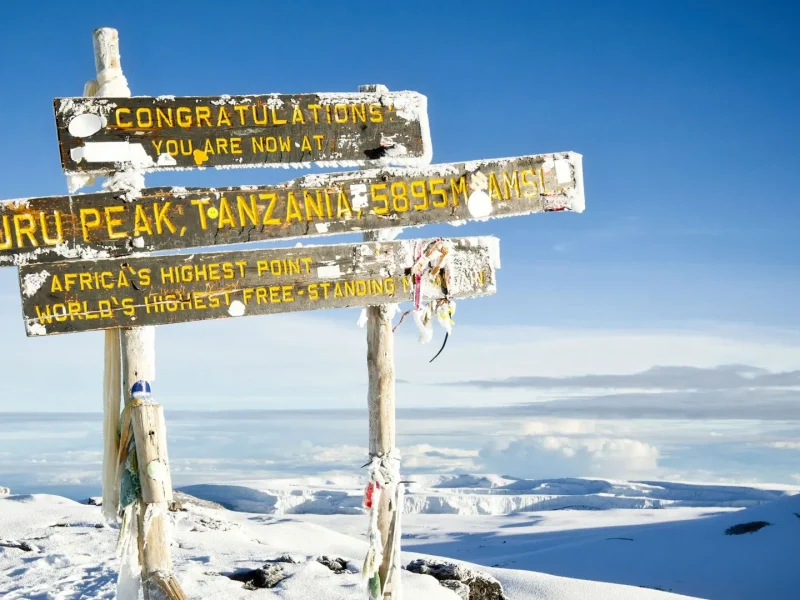
Marangu Route 6-day Itinerary, Prices & Dates The 6-day Marangu Route on Mount Kilimanjaro is one …
7-Day Machame Route: Compare the best of Kilimanjaro Tours Experience and discover the ultimate 7-Day Machame …
Best of 8-Day Lemosho Route Kilimanjaro & Success Rates Experience and discover the ultimate 8-Day Lemosho …
7-Day Rongai Route – A Remote and Scenic Trek to Kilimanjaro’s Summit Embark on a mesmerizing …